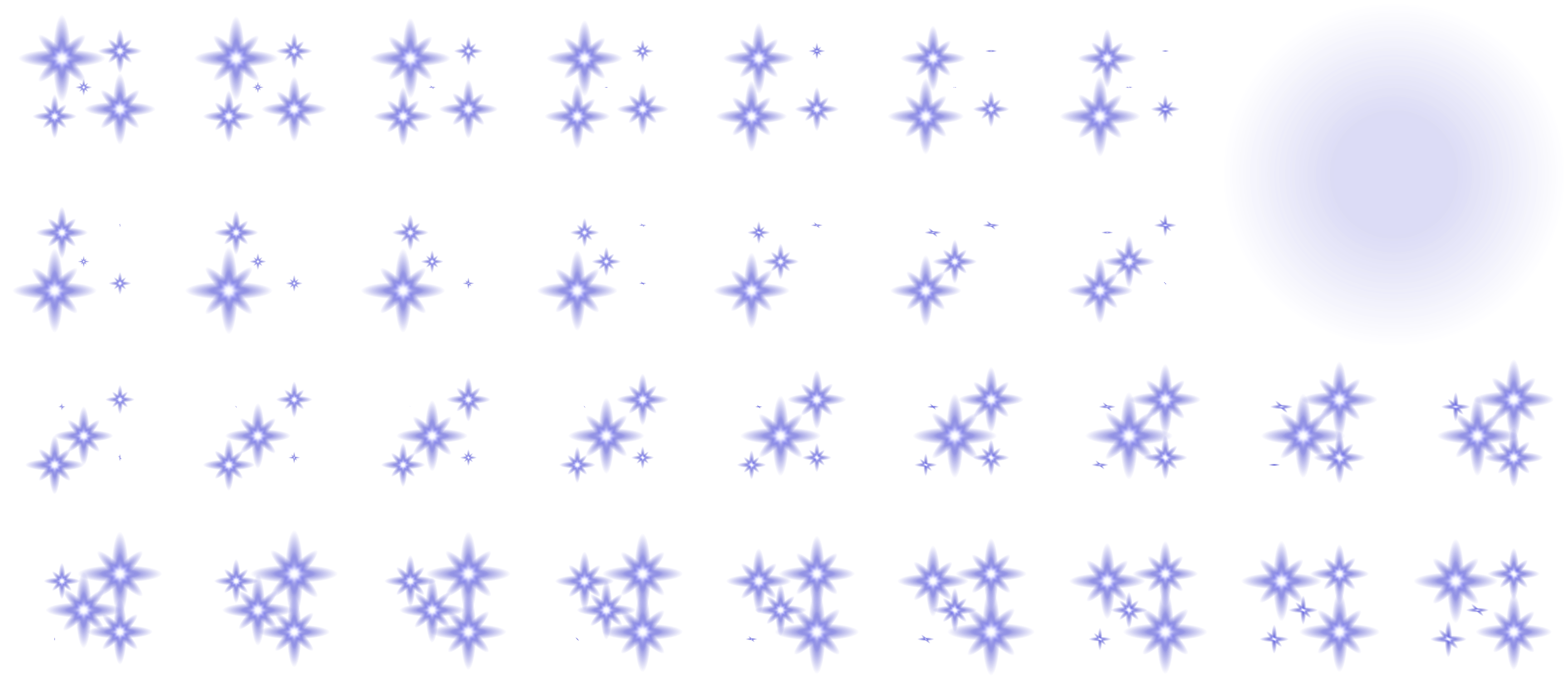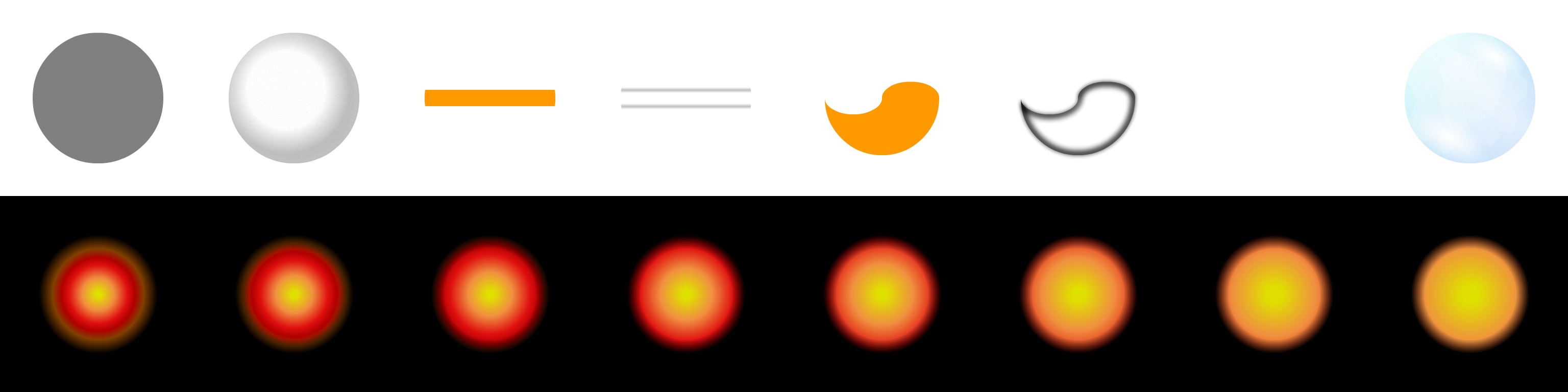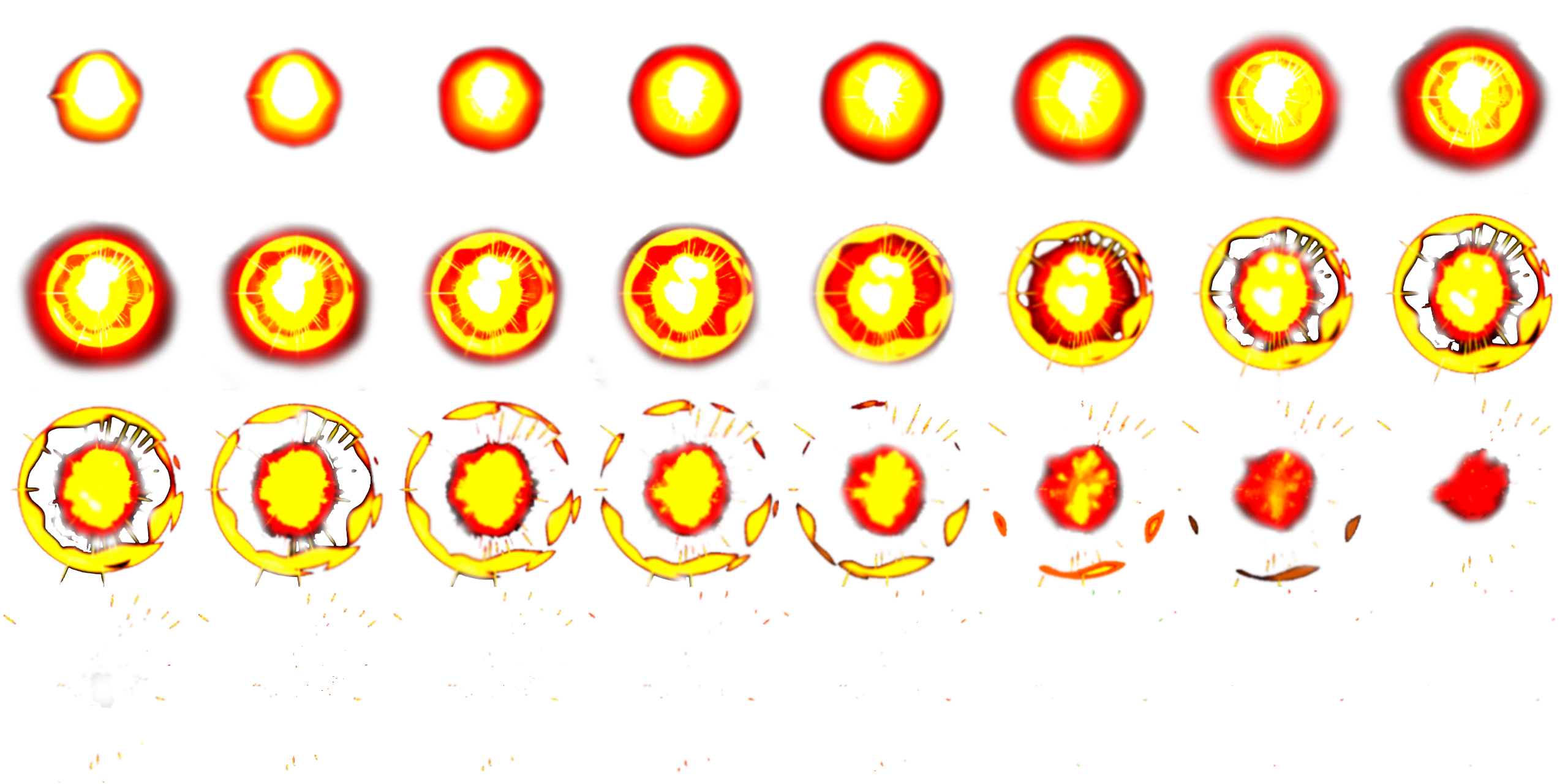
Explosion
Explosions occur when certain objects, such as yellow, orange, or green disks, are triggered under specific conditions. Explosions can be caused by falling objects hitting explosives, activation of terminals, or interactions with other explosive objects.
An explosion is initially 3x3 size, affecting all objects within this area. Explosions can trigger other explosive objects, creating a chain explosion that propagates across multiple tiles and objects. Chain explosions are often an intentional part of level design, and Murphy may need to carefully initiate them to open blocked passages, destroy hazards, or release otherwise inaccessible infotrons.
Explosions produce a distinctive sound effect, providing both auditory feedback and an indication of their occurrence to the player. While explosions are highly destructive, they follow deterministic rules, allowing players to predict their effects and use them strategically in puzzle-solving.
In gameplay, explosions serve multiple purposes: they can remove obstacles, eliminate enemies such as sniksnaks and electrons, trigger puzzle mechanisms, or interact with movable objects like disks and zonks. Skilled players often use explosions to manipulate the environment in precise ways, especially when creating chain reactions to solve complex levels.
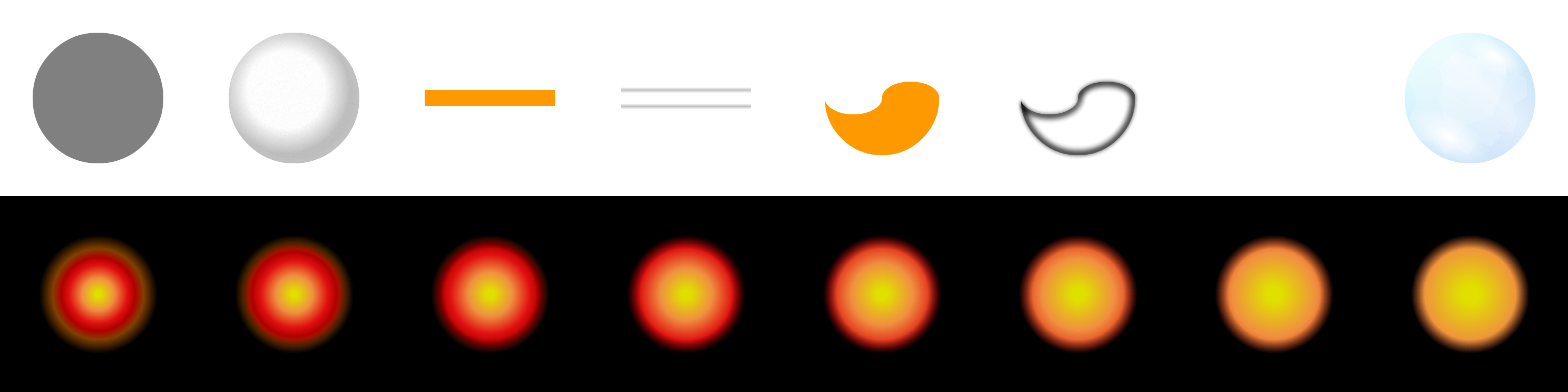
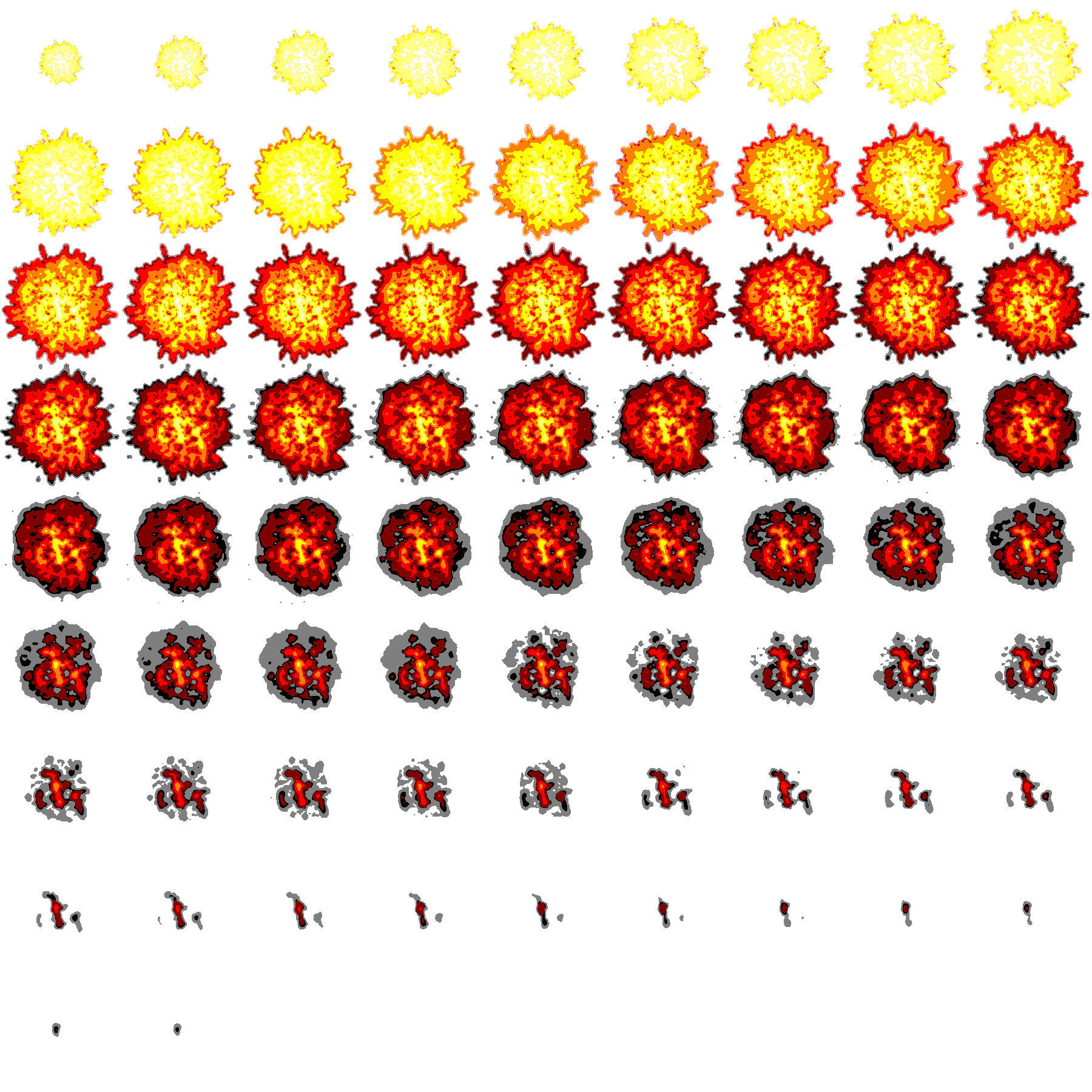
Explosion smoke
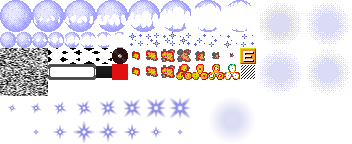
When an explosion occurs the affected tiles are filled with bright flames, which are fatal to Murphy if he tries to enter. After a short delay the flames burn out and become black smoke, which is safe to enter, as long as entry is timed correctly. Explosion flames and explosion smoke do not last long, but they do provide support for objects above them. This gives Murphy an opportunity to stand below them, by entering the smoke tiles.
Chain explosion
Explosives caught in explosions cause additional explosions after a short delay, which essentially allows for long chains of explosions.
Explosion polarity
Normal explosions have positive polarity and leave nothing after the smoke clears. Explosions with negative polarity can instead spawn new objects, usually infotrons. Hitting an electron with a zonk causes an explosion with negative polarity, which will spawn infotrons in tiles affected by the explosion.
Explosion polarity is preserved in chain explosions. A chain explosion that started with negative polarity will continue, unless it consumes an explosive that has negative polarity. Negative explosion consuming a negative polarity explosive causes a positive polarity explosion. This is why an exploding electron chain exploding another electron yields fewer infotrons than expected.