Base
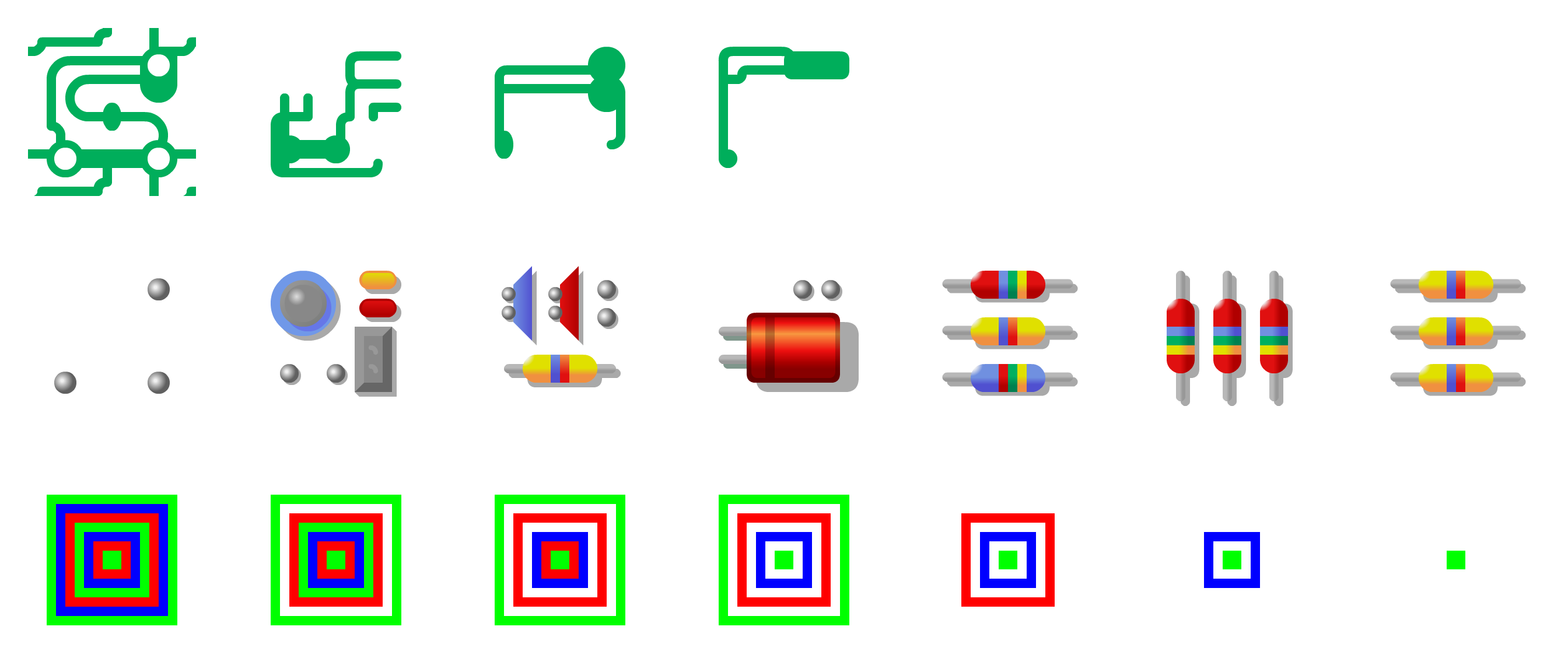
Base is the most common object in the game world. Bases fill the empty spaces between chips, entities, and hardware components, forming the “background mass” of each level. If the infotrons, ports, and circuits are the machinery of this digital labyrinth, then Base is the raw substrate everything is embedded in.
Functionally, Base defines the default pathways of a level. Murphy can move through it freely, clearing it away tile by tile, which gradually carves tunnels through what initially feels like a solid block of terrain. Before the player intervenes, Base occupies most of the playable space — it is the neutral state of the map, the material that must be removed to create routes, open chambers, and access objectives.
Players can eat or deposit infotrons into the base. Enemies cannot interact with it directly. Objects can be placed on top of the base and can be pushed across it. Falling objects, including zonks and disks, can land on it or explode above it without damaging the base itself. This allows for strategic use in puzzles, such as protecting dummy Murphies or triggering chain reactions.
Unlike hard walls or indestructible hardware, Base offers gentle resistance. It doesn’t fall, explode, or interact in complex ways; its primary role is to be there — to shape the layout, control pacing, and determine how the player expands the navigable space. In that sense, Base is less an obstacle and more a canvas: the digital bedrock of the Supaplex universe, waiting to be reshaped.
Bases have several variants.
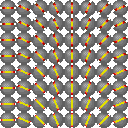
Base-X
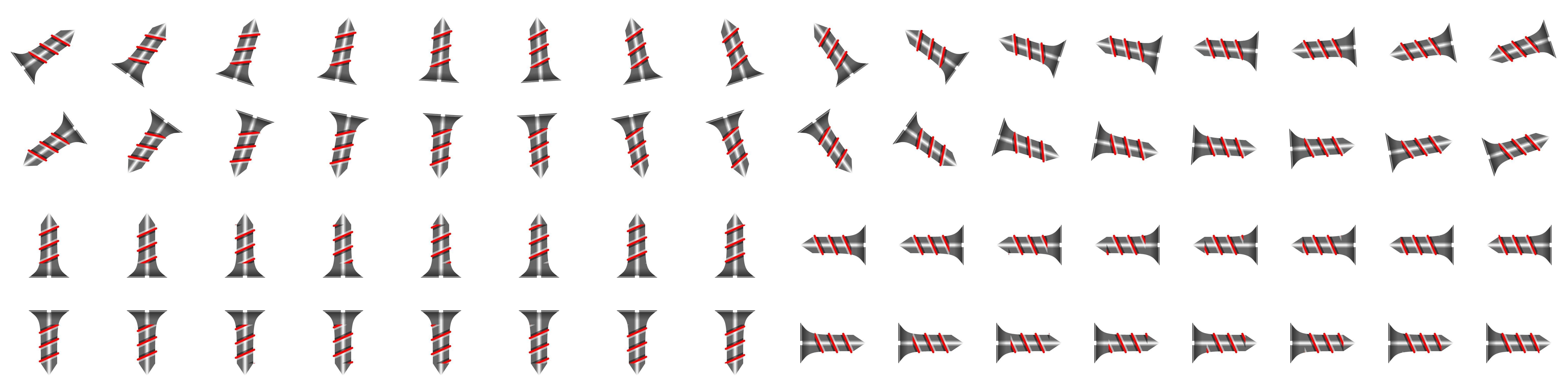
Base-X is the most common type of Base. It allows Murphy to enter from all directions.
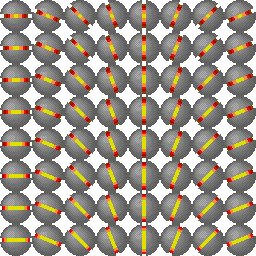
Base-H
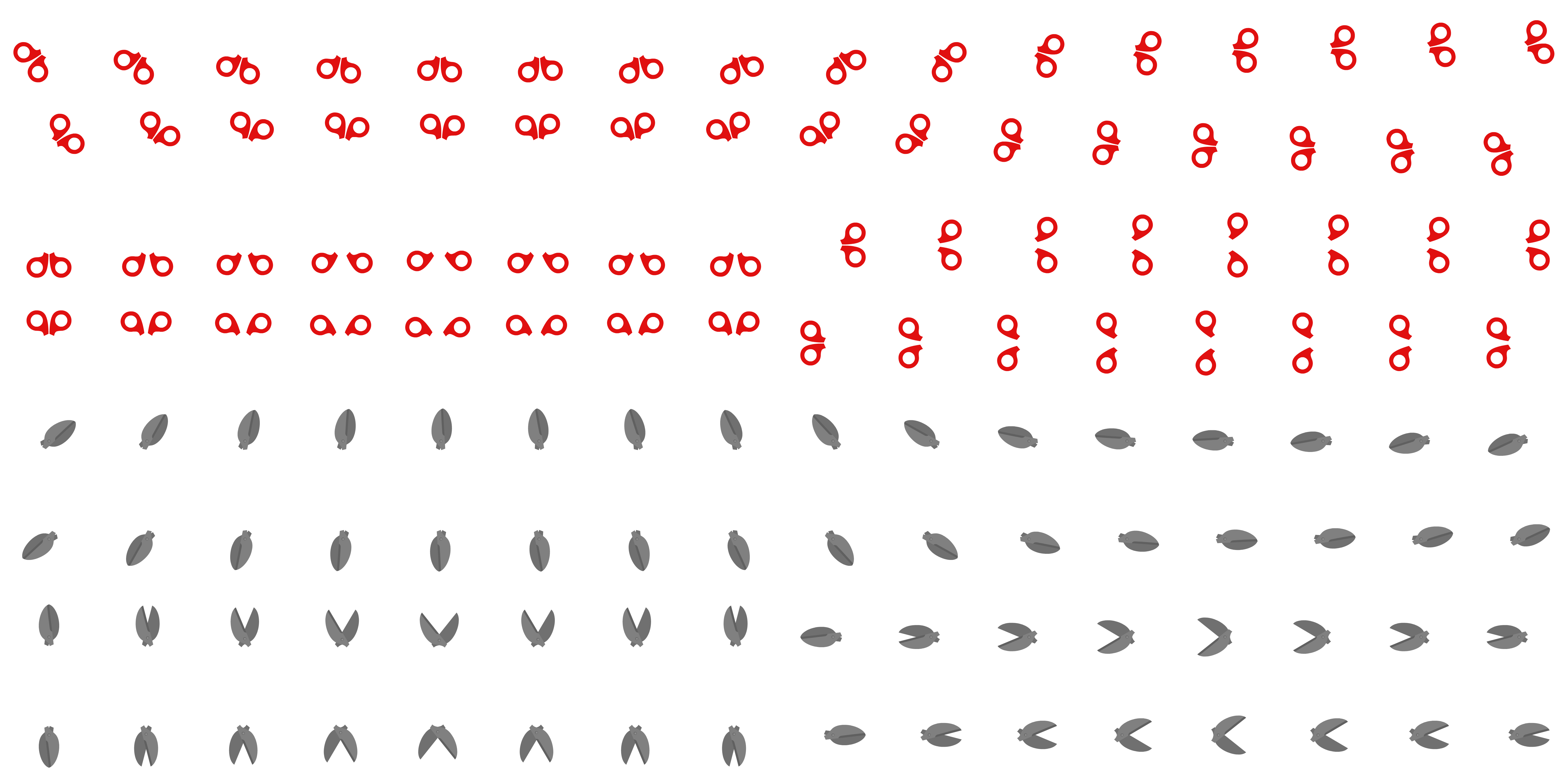
Base-H is a base variant that only allows movement in horizontal directions. It often appears with Base-V, as together they can form more complex pathways.
Base-V
Base-V is a base variant that only allows movement in vertical directions. It often appears with Base-H, as together they can form more complex pathways.
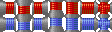
Bugged bases
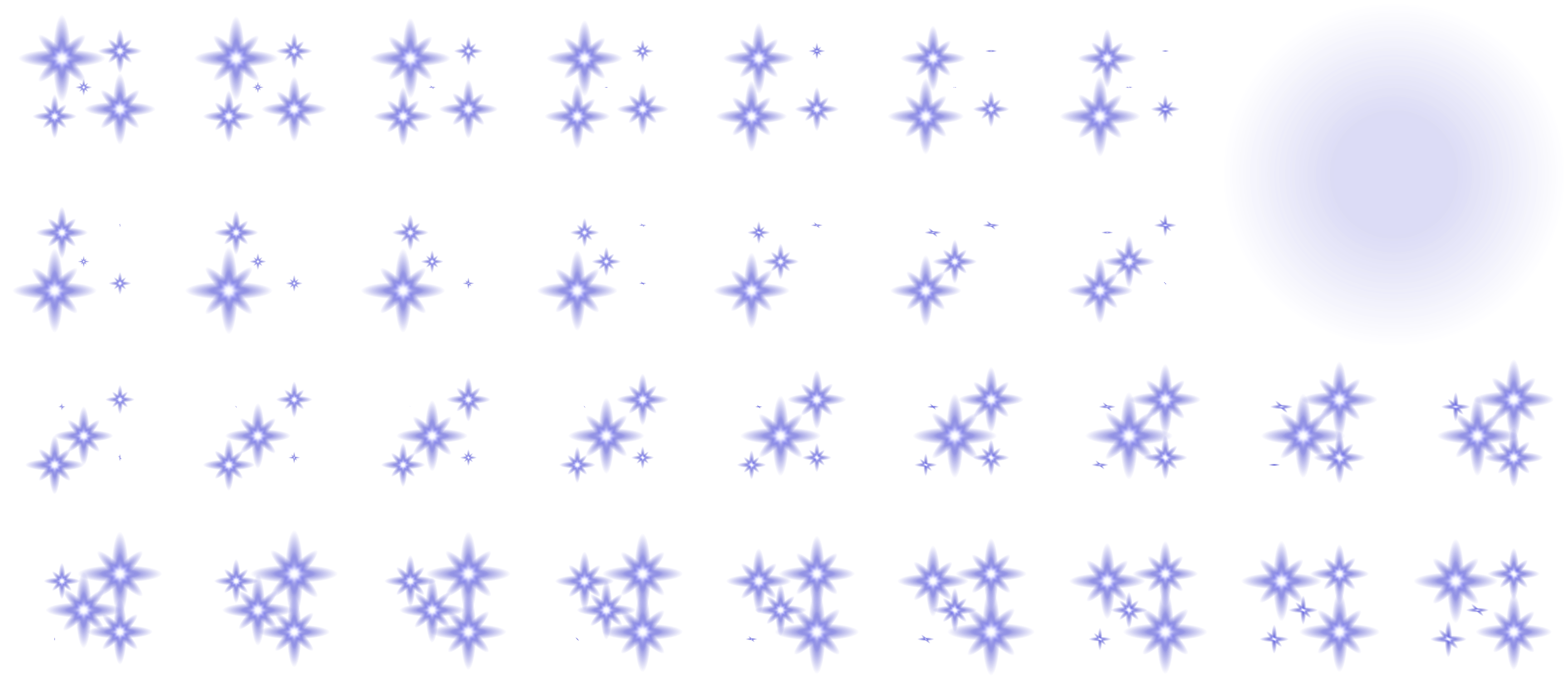
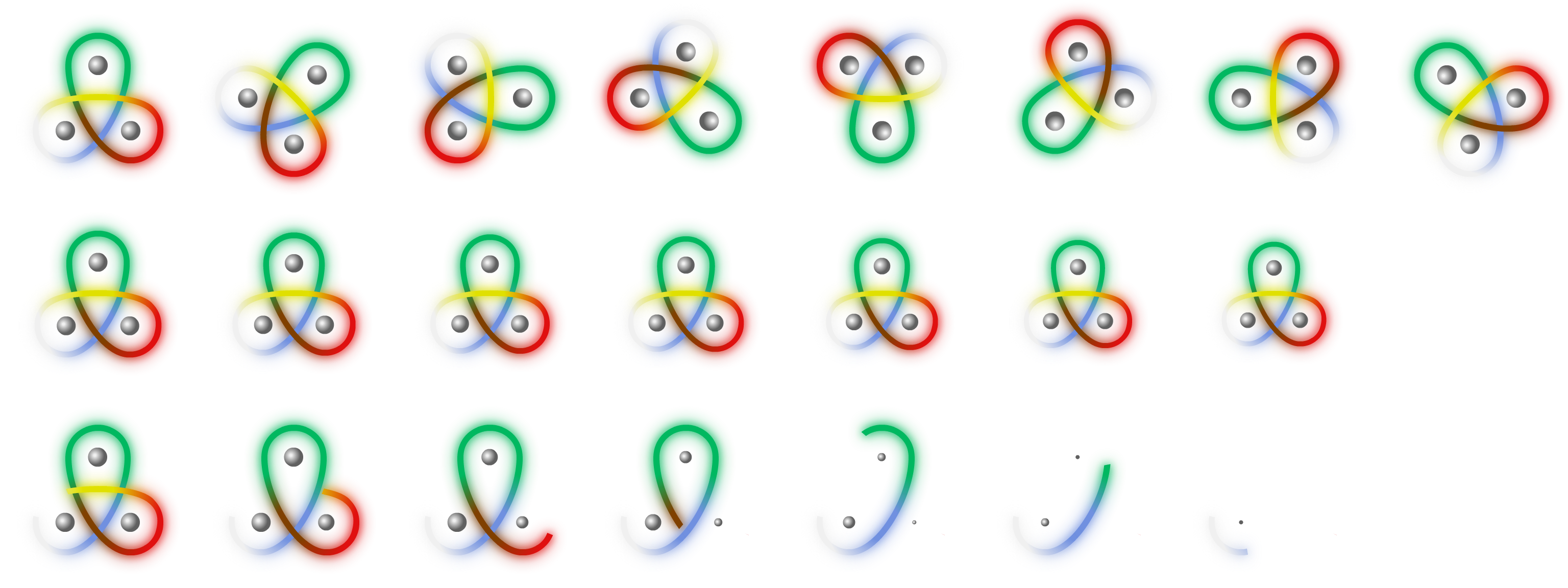
All base variants can be bugged. Periodically a short electric arc will form on the pins of the base. When the arc is sparkling the base is not safe for entry, especially for Murphy.
Bugged bases will arc instantly at the beginning of the level. Then they enter a short random period of being safe before firing again. At normal game speeds (35-40 ticks per second) bugged bases will stay safe for at least 3 seconds, but no longer than 10 seconds. Supaplex uses an internal pseudo-random number generator to randomise bugged bases.
When bugged bases are firing a distinct electric sound can be heard. Supaplex Online also adds a constant buzzing sound that can be heard only when Murphy is very close to the bugged base. The buzzing is the only way to tell that a base might be bugged, if no discharges were observed earlier.
Amiga Supaplex has no randomness for bugged bases. Instead the electric arc manifests at the topmost leftmost bugged base in the level first. Then it moves to the next bugged base in the top-left bottom-right order. If there was only one remaining bugged base on a level - it would fire constantly, giving a very narrow window to enter the base. This can be observed on the 110th level of the original set.
Trivia
The design of Base-X appears in the video game Boppin’, which was released at similar time Supaplex was.